Unit 15- Advertising production
Task 1- Advertising sectors
1. What are the advantages of a advertising in the selected servers
Sectors:
-Broadcast
TV
Radio
Cinema
Web based
TV sector-
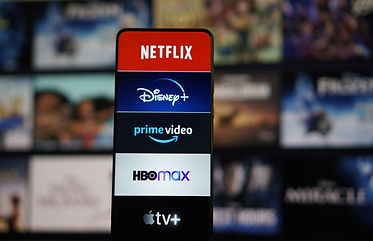
-TV reaches large audiences:
TV reaches a larger audience than any other traditional medium (I.e., radio, newspaper, etc.).
TV advertising delivers fame and trust:
If you appear on Tv, people will think your business is doing well as it is perceived to be an expensive marketing tool.
Better at influencing consumers:
60% of those influenced by a TV ad are likely to make a purchase as compared to 40% of those influenced by social media adverts.
Cinema sector-
-Cinema offers a captive audience and a positive environment:
Cinema offers the lowest rate of ad avoidance of all media; this also means that a high frequency message is not so important, as you can achieve a great impact with just one viewing of a cinema advert.
-Cinema campaigns can be run broadly or can be highly targeted:
Whilst cinema offers a broad reach, it can also be very targeted
-Cinema is great at reaching a younger audience who are light TV viewers:
DCM (digital cinema media) reports that 46% of cinema goers are aged 16-34, whilst 64% of cinema goers are light TV viewers. It also reports that 58% of cinema goers fall into the ABC1 demographic

Print sector-
-Less competition:
Every company is using some type of digital advertising, and chances are competitors are using the same. Not every business uses print advertising though. So, using this method will make the brand stand out much more and gains a better chance of getting a response
-Highly targeted:
With print advertising you can target certain locations or mailing routes, certain demographics based on age, gender, income, if they have kids, if they are pet owners etc. You can easily target individuals based on their interests.
-Your audience prefers it:
Print is a crowd favorite when it comes to advertisements. In fact, a study showed that 73% of people prefer receiving print advertisements from brands compared to other channels of marketing.


Web advertising-
-Increased targeting options:
The targeting possibilities online are endless. If you already have an idea of your ideal customer and what their common habits are, you can leverage many different platforms to target those people.
-Higher engagement rate:
You can engage with your audiences on different levels of their buying cycle. Awareness, consideration, and readiness to buy.
-Operational flexibility:
You have the flexibility to respond to data and adjust your campaigns accordingly. Customer needs are changing every day, and your data tells you what you need to adjust and how you can spend your budget cost-effectively.


Radio sector-
-Radio reaches a huge audience:
The latest survey results show that radio provides access to 272 million consumers every week, more than any other medium
-Radio enables selective targeting:
Radio advertising allows messages to be specifically tailored and localized to each target audience. Advertisers can direct their message to specific demographics, psychographics, geographic areas, and around events and genres in the market.

2. What are the disadvantages of advertising in the selected sectors?
Film advertising-
-Limited coverage:
The coverage offered is extremely limited. The local population benefits more from film advertising because when advertisers choose where to display ads, they make a conscious decision about the location of the advertisement. The promotional campaign of any advertiser will only be visible to those that have visited the cinema close to them, cutting off the chances of you seeing a range of different adverts.
-Film ads can be boring and irritating:
In general, audiences view advertisements as an annoyance - something that is in the way of them watching a film they have paid to view. Also, audiences who are known to frequently go to the cinema may get fed up with seeing the same advertisements multiple times.
TV advertising-
-Expensive:
TV advertising can be expensive, especially during prime-time slots or during popular events. This can make it difficult for smaller businesses with much smaller budgets to compete with larger brands.
-Skipping ads:
TV viewers are usually channel surfing during commercial breaks, switching to other channels, or engaging in other activities. This behavior can cause advertisements to reduce their effectiveness.
Print advertising-
-Requires more lead time:
While email, display ads, and social media are launched with a click of a button, print advertising requires extra time to print your advertisements so you will need to consider the turnaround time when planning your print advertising campaign.
-Not ideal for global advertising:
Many print and direct mail providers do not offer international mailing, so you will need to go directly through UPS or find an alternative option, with the cost being being very deep. On top of being more expensive to market outside of your country, you will need to keep track of postal requirements for individual countries, as well as keep close tabs on the different demographics and their interests in each country.
Radio advertising-
-Distracted listeners:
Most individuals are not just listening to the radio. They may be driving or preparing a meal at the same time. So, you might be reaching your target audience, but they may also be tuning out your message.
-Requires repetition:
Listeners need to hear a message multiple times for it to be retained. this means that you may need to run your message over a long period of time or more frequently to see results.
Web advertising-
-Hard to comprehend:
Many people will find a lot of this hard to understand at first, and when you are setting up an online campaign you might struggle with some technology and so fourth.
-Mistakes will be costly:
There are lots of choices when it comes to advertising on the internet. You can search advertising, so your ads show up when a target audience is looking for just what you offer or display ads that appear where your prospects roam on the internet.
3. What are some of the challenges that advertisers face when distributing on different platforms?
-Competition:
Plenty of advertisers try to distribute their products through web advertising for the potential goals included in it. For example, the same products from associated brands will all be competing for their own visibility within different platforms
Potentially higher costs:
Sometimes, print advertising can be more expensive than web advertising. This is especially true when you are trying to get an ad placed in a very prominent magazine or want to post an ad on a billboard
4. What does the increase in digital media consumption mean for traditional media forms?
Since digital media has become so much more popular, it has meant that older media forms like print advertising have become a lot less in demand, impacting businesses and making them no longer the center of attention.
Task 2- target audiences
1. Definitions
Mass audience-
A mass audience, also known as a broadcast audience, consists of a significant number of individuals who regularly watch highly-rated television programs like soap operas and sitcoms, or listen to popular morning shows on national radio stations.
Niche audience-
A niche audience consists of a subset of a brand's primary target audience with highly specialized requirements and preferences
Psychographics-
Psychographics involves analyzing consumers by examining their psychological attributes, including values, aspirations, hobbies, and lifestyle preferences.
Geodemographics-
Geodemographics refer to consumer segmentation models that are developed by combining demographic characteristics within a particular geographic region.
Demographic-
Demographics are statistics that describe populations and their characteristics.




2. Characteristics used to categorize audiences
Age, gender, religion, ethnic background, class, sexual orientation, occupation, education, group membership, and countless other categories.
3. Distinct categories of audiences according to Young and Rubicam’s theory:
The aspirer, the succeeder, the explorer, the reformer, the mainstream, the struggler, the resigned.
4. Young and Rubicam's’ four consumers categories audiences according to their cross-cultural characteristics, using their motivational needs and VALs, including security, control, status, individuality, freedom, survival, and escape.
Task 3- media kits
Empire media kit:
The mission-
For empires mission, they collaborate with the biggest film studios, distributors, world class filmmakers and actors to create content that no other brand can pull off. The empire readership is three-quarters male and aged 18-40, employed, in a relationship, university educated and time-poor. Their audience is passionate about film- they use cinema as escapism or insight into other worlds.
Ad rates:
Display: Advertorials: Inserts:
Full display FH- £4,900 Full page- £6,370 Bound-in - £50 per ‘000
Full page ROP- £4,200 DPS (Double Page Spreads)- £12,103 Tip-on - £55 per ‘000
Half page- £2,795 Half page- £3,365 Loose insert - £35 per ‘000
IBC/OBC- £6,860 Production:
DPS FH- £9,310 Supplied images- £2,000 net
DPS ROP- £7,980 Photoshoot- £3,000 net
For Wired's mission, they are the authority on the people, ideas, and technologies changing the way we live. They inspire everyone who cares about the state of the world by providing a roadmap to the future and a guide to understanding our increasingly futuristic present.
For GQ’s mission, they say claim to be the flagship of men’s fashion and style, with a forward looking, progressive and innovative approach to making men look sharper and live smarter.
Vogue’s mission statement is to the creation of original and high-quality fashion, beauty, and cultural trends content, leading their readers to what will happen next.


Task 4- codes and conventions

Print advert
For this advert it was a genius twist on a normal print advert campaign, with Ikea and Mother London using large scale models mimicking fad products promising the same results as sleep, such as anti-aging cream and energy drinks; with life-size Ikea products inside. The information shown is very clever. The main logo shown is Ikea, a very well-known brand worldwide, collaborating with Mother London in a campaign called tomorrow starts tonight. The company has been endorsed by Kanye West in the past, with him originally including the company in a song he wrote, then he told BBC radio 1 that he dreamed of an Ikea Collab one day. “I have to work with Ikea,” he said. “Make furniture for interior design, for architecture.” A photo of the product has been used, with it positioned in the center of the poster including a shadow on it to show the actual size of it. The font used is straightforward and professional, reflecting Ikeas style. It is positioned so we can easily read it.

Web advert-
For this advert, it clearly outlines the main selling point, through well thought out visuals and appealing to their audience through a promotion. Mcdonald’s monopoly makes use of a few different gamification mechanisms to create a fun, enticing experience for Mcdonald’s customers. On 19 June 2023 Mcdonald’s released an ad featuring DJ Snake and “West Side Story” the upcoming track of DJ Snake at the time, introducing the DJ Snake Meal for the French market. The meal came with a double cheeseburger, fries, Coca-Cola zero sugar and a caramel Sundae. DJ snake played at McDonald’s on the Avenue des Champs-Élysées in Paris as a celebration of his collaboration with McDonald’s. The artist has achieved multiple global hits like “Turn down for what,” “Born this way,” “Taki” and many other Billboard hits. McDonald’s has over 1500 McDonald’s outlets in France. The slogan on the advert is ‘get peeling for that winning feeling,’ fully capturing the whole concept of the promotion.
Task 5- Persuasive techniques
-
Define the differences between parody, pastiche, and satire
Parody is the practice of copying the mannerisms, style or appearance of a work or its author's voice to make a point about that work.
A pastiche is something that copies or mimics elements of another work’s style, in a humorous way, but usually just as an affectionate nod to another artist’s work. While the artist may have made the pastiche in homage, the work itself does not necessarily make any points, favorable or unfavorable, about the original. In a sense, it is a collection of references.
Satire is a genre of writing that criticizes and attacks vice, folly, and abuse, particularly of ruling parties or those in power. It is marked by anger and a desire to change or destroy that which it attacks. It has a definite target and often uses humor to make a specific point. It does not simply "make fun" of a subject but seeks to inspire change.
Adverts that use parody
Adverts that use pastiche
Adverts that use satire
_jfif.jpg)
This ad used parody by making fun of the slogan "your country needs you" and mixing it up through the use of the company Colman's to say "your meat needs Colman's". This gives the audience a chance to consider buying the product because it is a funny and effective advert.

This ad uses pastiche by copying the famous painting 'The creation of Adam- by Michelangelo' and puts a fun spin on it, integrating a major product, making it appeal to audiences

This ad uses satire by mocking Vote leave's claims during the EU referendum- allowing for the company to benefit from the country's political misfortunes through the use of smart advertising
Pathos:
Pathos is the method used to influence readers by intentionally stirring specific feelings in them. Authors employ meaningful language, thoughtful word choices, and emotionally driven situations and stories. A wide range of emotional responses, including empathy, anger, dissatisfaction, or even humour, can be intended by authors.
Logos:
Logos mean to appeal to audiences through their sense of reason and logic. To effectively use logos, the author makes clear links between different ideas, using facts and statistics. Using known texts from the past to generate an argument is another used strategy. There should be no faults in a given argument.
Ethos:
Ethos is used to show the writers reliability and power. When analyzing a piece of work, the reader must know that the writer is credited enough to comment on the issue. The writer can show their authority through their use of sources, choosing the correct language, showing they have clearly analyzed the issue.
Donald Gunn theory
12 types of advertising:
Type one: Demo-
This is a visual presentation of the product and it's capabilities, while also showing the benefits of the product
Type two: Showing the problem-
First, it is made clear that there is a problem in the consumers life, and is worsened without the product being advertised. It isn't enough to clearly show that there is a problem; and not using the product will manifest this problem. The ad will then show the only remedy- which will be the product being sold.
Type three: symbolise the problem-
This format is like the previous one, but is different because you will employ a symbol, analogy, or exaggerated graphic to represent the problem. The ad dosen't show the real problem or need; it shows an exaggeration of the problem or a symbol meant to represent the need or problem.
Type four: Contrast with competition-
In this part, it is claimed that the product is superior to all other competition.
Type five: Exemplary story "show the actual benefit"-
These ads create a narrative that helps to easily illustrate a product's benefits. In Gunns words, the key is to create "a situation where you'd use the product and be very glad for it.
Type six: Benefit causes story-
These ads use the benefit that the story causes to tell a story - usually one that is quite exaggerated. These ads focus less on the use of the product; typically, the ad dosen't show the product till the very end, setting it up as the answer to why something is the way it is in the story.
Type seven: Presenter testimonial "tell it"-
This can take on the form of a kindly neighbour or best friend spot, it can be a "real person" testimonial, or might be a classic talking-head ad.
Type eight: Ongoing character & celebrities-
One challenge when making an ad is to ensure that your brand "gets credit" for the spot. The viewer may remember the ad just fine and yet forget which brand it was for. The use of a recurring character or celebrity, can help a brands identity into the viewers brain.
Type nine: Show benefit through a symbol, analogy, or exaggerated graphic-
Like the fifth type of ad, this type shows the benefit; this time, however, the ad shows the benefit through a symbol or exaggeration
Type ten: Associated user imagery-
Here, the advertiser showcases the type of people it hopes you'll associate with the product. Often these people will be hip, funny, or good-looking people. But sometimes the associated users are goofy or geeky- it fully depends on the target market.
Type eleven: unique personality property
These spots highlight something indigenous to the product that will make it stand out.
Type twelve: parody or borrowed format
This is a popular approach these days, perhaps because pop-culture references have become our common language. Recent ads have parodied movies, TV shows, - and even other ads. At its worst, a parody is a lazy way to gin up some tepid humor. Done well, however, a parody can be both memorable and hilarious.
Examples of adverts that use his theory:
British Red Cross Advert
This advert uses Gunns theory as it includes multiple advertising types. It's an example of symbol, analogy, or exaggerated graphic as it shows a problem in a crisis that is happening in the world.
Vanish gold advert
This advert uses Gunns theory as it is an example of 'how to show a need or problem' as it shows the stain is the overarching problem, but the Vanish Gold is the solution
Snickers advert
This advert uses Gunns theory as it is an example of "comparison" as Just Eat talks about all the other fast-food restaurants that can be found and is seen as much more superior to Uber Eats and Deliveroo
This advert uses Gunns theory as it is an example of 'Ongoing characters and celebrities'. For example, Rowan Atkinson as he cements the food brand "Snickers'
Just eat advert
Learning Aim A: Core assessment
Broadcast (TV) advert
TV advert- Nandos
This broadcast advertisement is a TV advert for Nando's. The aim for this
advertisement was to reach a mass audience as it’s the very large target audience that view adverts like this. The advantage of TV adverts are that it will reach a larger audience. The aim for this was to show that many consumers are online so this will give them an advantage for more people to interact with the advert. The psychographic audience that this advert would target is 'The Explorer'. This would be suitable target as they discover and desire to be different and with Nando's they can be adventurous with their meal and pick various flavours and spice levels. Donald Gunn's theory talks about the 12 different advertisements, meaning this specific advert is 'Ongoing characters and celebrities'.
This is evident when we see Bukayo Saka. This advert can be targeted towards younger people. For example, the mode of address used is colloquial as we can hear slang/informal terms being used, this was done to attract younger people into watching the advert and gaining information being shown on TV. The people in the advert are clearly young people as this is an advantage for the younger audience to see this advert and the use of Ethos is used throughout the advert, by the use of terminology used to attract viewers ages 14- 26-year-olds
Task 6- Music advertising
Music marketing is the act and process of creating, sharing, delivering, and exchanging music offerings that have value to customers, fans, or partners.
Creating- marketing is about creating music products
Communicating and sharing- Marketing is telling people about your music. “The best thing about doing something you love is sharing it with someone who loves it too.” - Eric Prydz
Delivering- Marketing is about delivering music to fans and customers.
Exchanging music offerings- Your music gives fans value; in exchange, they provide you with value by consuming or buying your music


Advertising genres:
Modern-
A modern commercial. These commercials will not be dated or made to look retro. In fact, the advertisement will try to look futuristic and to be the latest in whatever the topic of the commercial is.
Humorous-
A humorous commercial will attempt to make people laugh. Comedy is one of the highest forms of entertainment, not only will people enjoy the ad they may also actively seek it out to show their friends and family to make them laugh. We also tend to remember more things which have made us laugh as it lifts our spirits if we are ever down.
Pastiche-
A pastiche commercial will imitate a genre or another body of work in the same way a parody does. Pastiche commercials are seen as more of a gentle form of comedy as it is difficult to be offended by it. They will use many aspects of another’s work, with some being downplayed and others emphasised in attempts to create something funny.
Controversial-
Controversial commercials are highly risky to carry out, with them guaranteed to cause disagreement and upset. However, there is a chance that these advertisements can pay off, if they do it makes you look better and puts you in a much better position than if you had played it safe. Advertisers do not always intend to create a controversial advert but sometimes people will be offended by something with the best intentions.
Types of adverts-
- Online search advertising
- Social media advertising
- Print advertising
- Direct mail advertising
- Broadcast, video and tv advertising
- Out-of-home outdoor advertising
- Cell phone mobile advertising
- product placement
- consumer-generated advertising
- radio and podcast advertising
Use of codes and conventions in adverts
Depending on the type of advert - music, film, tv etc. codes and conventions are put in place to help appeal to the audience. Whether is is through the use of a celebrity endorsement or an already existing well known product, the codes and conventions help make an advert what they are.
Conventions:
Typography-
Typography is the art of arranging letters and text in a way that makes the copy legible, clear, and visually appealing to the reader. Typography involves font style, appearance, and structure, which aims to elicit certain emotions and convey specific messages.
Composition-
Composition is the act of writing or the piece of writing that results. It also refers to what something is made of.
Mise-en-scene -
Mise-en-scene is the stage design and arrangement of actors in scenes for theatre or film production, both in visual arts through storyboarding, visual theme, and cinematography and in narrative storytelling through direction. The term is also used to refer to single scenes representing a film.
Key aspects:
Set design/ setting:
An essential element of mise-en-scene is the design and setup of the set. The setting of a scene and the objects (props) visible in a scene. The design and setup of a scene can be used to really amplify the character’s emotions or display a message, whilst setting the overall mood of the scene. This then affects the physical, social, psychological, emotional, economic, and cultural significance of the film. Set design often influences many elements of a film.
Lighting:
The intensity, direction, and quality of lighting can influence an audience’s understanding of a characters, actions, themes, and mood. Ligh can emphasize texture, shape, distance, mood, time of day, season, and glamor. This always affects the way that colours are rendered, both in terms of hue and depth, and can focus attention on elements of the composition.
Space:
The use of space also affects the mise-en-scene of a film. The depth, proximity, size, and proportions of places and objects can be manipulated through lighting, set design, and camera placement and lenses – effectively determining the mood and relationship between the elements.
Composition:
Composition is the organization of objects, actors, and space within the frame, often using balance and symmetry for the distribution of light, colour, objects and figures in the shot. Composition also includes the intentional use of misalignment, often to emphasize certain proportions of the screen and distract the viewers from the background.
Costume:
Costume design refers simply to all the clothes that the characters wear. By using particular colours or designs, narrative cinema uses costumes to make clear distinctions between characters or to signify a particular character. While costume design is a subtle component of mise-en-scene, it is an especially important one, with an Oscar awarded annually for best costume design.
Makeup and hairstyles:
While makeup and hairstyles can be included in costume and design, they are often viewed separately as they can take hours to apply daily. Actors may wake up hours before shooting begins to get makeup applied, sometimes including prosthetics or even full body makeup. Makeup and hairstyles establish periods, reveal character traits, and signal changes within a character.
Acting:
There is enormous historical and cultural variation in performance styles in the cinema. In the early years of cinema, stage acting was difficult to differentiate from film acting, as most film actors had previously been stage actors and therefore knew no other method of acting. Eventually, the melodramatic styles of 19th-century theatre gave way, in Western cinema, to a naturalistic style. This more naturalistic style of acting is influenced by Konstantin Stanislavski's theory of method acting, which involves the actor fully immersing themselves in their character. The art of acting uses movement, gesture, and intonation to realize a character for the stage, motion picture, or television. The acting, setting, themes, and other factors must align to fit the mise-en-scene.
Camera techniques-
Eye level shot:
This is the most commonly used type of shot within music videos, where the camera shows the subjects, how we would see them if we were to see them normally. This angle is seen as a neutral shot.
Low angle shot:
This is where the camera is positioned below the subject in focus. These types of angled shots aren’t necessary commonly used within music videos, but they can be spotted occasionally. Just like when this shot is used in movies and TV shows, the subject gets the impression of being powerful, as they appear bigger.
High angle shot:
This shot is where the camera is placed above the artist facing, downwards, with this shot commonly used when the focus is soley on the artist, as these shots seem to capture the artist's shoulders and above.
Birds eye shot:
This is where the camera is positioned directly above the subject in the music video; this shot is perceived as being unnatural as we as the audience don’t see it often in music videos and films. Also, this type of angle is specifically used when emphasis and a dramatic effect is needed in the music video.
Close up shot:
This is where the shot will consist of an individual who will take up most of the frame. When close-ups are composed, they are a close-up of someone’s face. The point of close-up is to show more definition and detail in the artist's face, emphasizing emotions. This type of shot is most used in pop music videos, as they are one of the best ways to promote the artist, when the close ups are used, they can represent different aspects of females from seduction and sexual objectification of women, but also on the other hand they can be represented as being dominant and powerful.
Task 7- Source audience information
-
I created a questionnaire that focused on music and the demographic/psychographic of my target audience. These were some of the responses-
The Main psychographics/demographics I plan to target with my advert, are an audience of young adults, mainly aged 16-24. The psychographics of the target audience include their hobbies, with the main ones being sleeping, watching YouTube/movies and listening to music.
My audience likes to spend their free time going out with friends, sleeping, reading and drawing. Music products mainly appeal to people who are fans of creative elements I.e. film and art.
-
The music products that will most appeal to my demographics will be hoodies, T-shirts, CDs and vinyl's
-
They will be suitable because of how they relate to the artist and the fans will buy it because it is merch of their favorite artist.
-
The persuasive techniques I will use will be parody and pastiche, as I feel these be most effective for my audience.
-
I intend to appeal to the audience through the sounds I create and through the visuals I use throughout.
Results of my survey

The majority of my audience who answered my survey were between the ages of 18-24, showing that between those ages are the people who like to listen to music the most

The majority of my audience agreed that pop was the most popular genre of music

It was a split between genders- showing my audience is evenly split

It was a tie between film and TV shows for my audiences favorite sector of entertainment
Task 8- Source interactive material


-5 Secondary Images-
Inspiration for my own images


-5 Music adverts that use a similar syle to want I want to achieve from my final product-


Primary images that I can use for my billboard

This photo shows my model with a confident, bold expression looking like they're in control. There is also a sense of arrogance in his expression.

This photo shows my model to be quite happy and confident, through the popular music pose. There is also a sense of coolness through his relaxed expression

This photo shows my model to be quite conserved and closed in, thus his arm close to his body in a protective position


This photo shows my model to be quite inquisitive and always thinking about everything because he's in the thinking pose.
This photo shows my model to be serious and motivated. The crossed arms show how he stands on business.
Fonts I can use for my billboard:


Copyright clearences
Music copyright designates legal ownership of a musical composition or sound recording. This ownership includes exclusive rights to redistribute and reproduce the work, as well as licensing rights that enable the copyright holder to earn royalties.
Different stages of my billboard

For my first initial design I tried to contrast two different colours side by side creating a compelling design. A chose a bold font to easily appeal and the colour so it would fit the style of what my audience wanted.

In my third design, I once again tried to blend the two colours together, unsuccessful at first but I was making progress nonetheless.

For my second design, I incorporated an interesting background, relating to the name of the artist's album. I also chose to change the colour to a greek mythology theme, linking to the artists's name: Apollo. This design allowed me to get a real feel for what I wanted my final design to look like

For my final product, I managed to blend the two colours together, allowing it to transition seamlessly between the two. This design would attract my target audience because it possess elements which are similar to those that young people like.
Final billboard poster

I embraced the conventions of a music billboard by using mise-en-scene throughout. The costume that my subject wore was directly linked to the style of music genre I chose. The lighting I chose was another key element of mise-en-scene. Different lighting allows the audience to have different moods or feelings based on how bright or dark a campaign is. The picture of the subject was initially quite dark, so when designing my billboard I had to add some exposure to make it look more natural. The NVC/pose I got my subject to do was to stand and look serious. The reason for this is because when I was researching music billboards, a lot of the subjects were facing outwards looking serious. The camera shot I used was a medium close up, as it would effectively capture my subject the best whilst making them instantly visible.
I promoted my artist's new music album on a magazine and billboard. I believe using these elements will help to promote as best possible, while also Including the Spotify logo which will show it to be on a major music site. Using a billboard is good as so many people will go past it on a daily basis, with many people stopping to view it and check out the artist on Spotify.
The typography I used on my billboard was related to my artist's music genre, and also the type of fonts and colours that appeal to people. Through the use of the font Bevel & Emboss I was able to make it look like the greek ionic alphabet, this gives an impression of ancient greek lettering. My artists's name, apollo, also relates back to the ancient greek theme.
If I was to design another billboard, I would be more concious of the lighting I choose to use, in case it turns out too dark again.